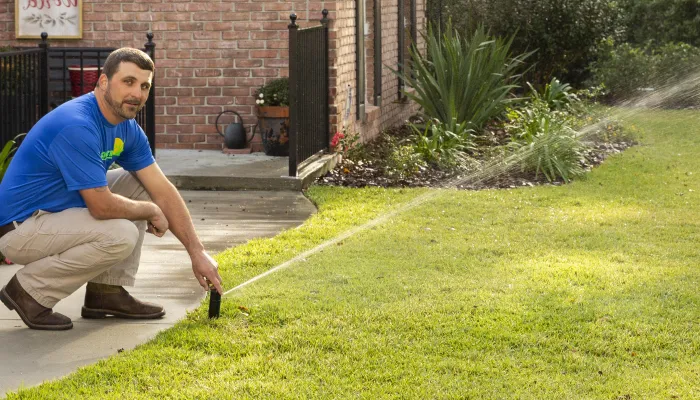
By Rusty,

If your lawn is looking more stressed than usual this spring, you’re not imagining it.

Across North Florida, we’re experiencing one of the driest stretches we’ve seen in a decade — and it’s not just because of a lack of rain this spring. We always have dry springs. Whoever said, “April showers bring May flowers,” clearly wasn’t from North Florida.

The real story started about 8 months ago.


The Missing Piece: Late Summer Tropical Storms

In North Florida, our landscapes rely heavily on late summer and fall tropical systems to recharge soil moisture heading into winter.

Last year, we didn’t get that. Not only did we avoid a hurricane, we didn’t even get a near miss that brought meaningful rainfall our way.

Without those storms:

  • soil moisture never fully recovered
  • groundwater levels remained low
  • surrounding lakes are at some of their lowest levels in over a decade
  • lawns and landscapes entered winter already stressed

Now, coming out of a colder-than-normal winter and into a dry spring, many lawns are trying to bounce back without the reserves they typically have.


What This Means for Your Lawn

Right now, your lawn isn’t just dealing with a dry week or two — it’s recovering from months of a moisture deficit.

That’s why across North Florida, we’re seeing:

  • thinning turf
  • dry or hydrophobic soil
  • stressed shrubs and ornamentals
  • slower recovery from winter damage

And with irrigation restrictions in place across much of the region, simply adding more water isn’t always an option.


What You Can Do About It

The key this season isn’t just watering — it’s making the most of every drop your lawn receives.

That means:

  • ensuring proper irrigation timing and coverage
  • avoiding runoff and dry spots
  • helping water actually penetrate into the soil

Here are a few adjustments that can make a real difference:

  • Run irrigation in the evening instead of early morning
    (We know this goes against typical recommendations — but this isn’t a typical season.)
  • Use soak cycles on slopes or hydrophobic areas
  • Split your watering into two cycles on your assigned day
    (Example: 2:00 AM and again at 9:00 PM)
  • Make sure your system has full, even coverage across the entire lawn
  • Apply Moisture Manager to improve water retention and absorption

Because one of the biggest challenges right now isn’t just lack of water…

It’s that dry soil begins to repel water, making irrigation far less effective.

Think of it like pouring a glass of water onto dry beach sand — much of it runs off before it can soak in.


A Smarter Way to Hydrate Your Lawn

This is where a product like Moisture Manager becomes incredibly valuable.

Moisture Manager helps water penetrate deeper into the soil and stay available to the root system longer — often improving effectiveness by up to 50%.

That means:

  • your lawn stays hydrated longer between watering days
  • water is absorbed more evenly
  • roots have better access to moisture

It doesn’t replace irrigation — it helps your irrigation work better, especially during drought conditions.


Why It Matters Right Now

With irrigation restrictions in place across North Florida, efficiency matters more than ever.

Moisture Manager is designed for exactly these conditions, helping your lawn:

  • hold moisture longer
  • reduce drought stress
  • maintain color and overall health

And once activated with proper watering, it continues working in the soil for up to 60 days.


Don’t Let the Drought Set You Back

This season isn’t about doing more — it’s about doing things differently.

With the right approach, your lawn can still recover, strengthen, and perform well heading into summer.


Let’s Get Ahead of It

If your lawn is starting to show signs of stress, or if you want to proactively protect it during these dry conditions, our team at The Master’s can help.

From irrigation system adjustments to Moisture Manager applications, we’ll help you make the most of every drop.

Reach out today to schedule your service and keep your lawn moving in the right direction this season.
September (3).png
By Rusty,

Understanding the signs of drought stress in your lawn is crucial for protecting its health and appeal. From the blades folding down the middle to the graying color, these cues serve as warning signs to your yard’s irrigation requirements and overall health.

By recognizing these indicators, you can take steps to ensure your lawn bounces back quickly and remains lush and green, even during dry spells. Below are some hints to what your lawn is trying to tell you, empowering you to make informed decisions about watering and care to keep your lawn thriving throughout the seasons.

  1. Blade Folding
    Image result for st augustine leaf blades fold drought stress
    St. Augustine grass has a midvein that acts as a “spine” for each individual blade, allowing it to open and close as needed. Healthy, well-watered grass will appear almost completely flat and totally open.

When your lawn begins to dry out, the blades will close in half upon itself, to reduce its exposure to the sun and conserve it’s water. This will also give the grass a “hazy” look, as the backs of the blades are not as deep a green as the enclosed fronts.

Monitoring these subtle changes in blade position can provide valuable insight into your lawn's hydration needs and help you adjust your watering schedule accordingly, ensuring your St. Augustine turf remains vibrant and healthy.

  1. Slow “Spring Back”
    Related image
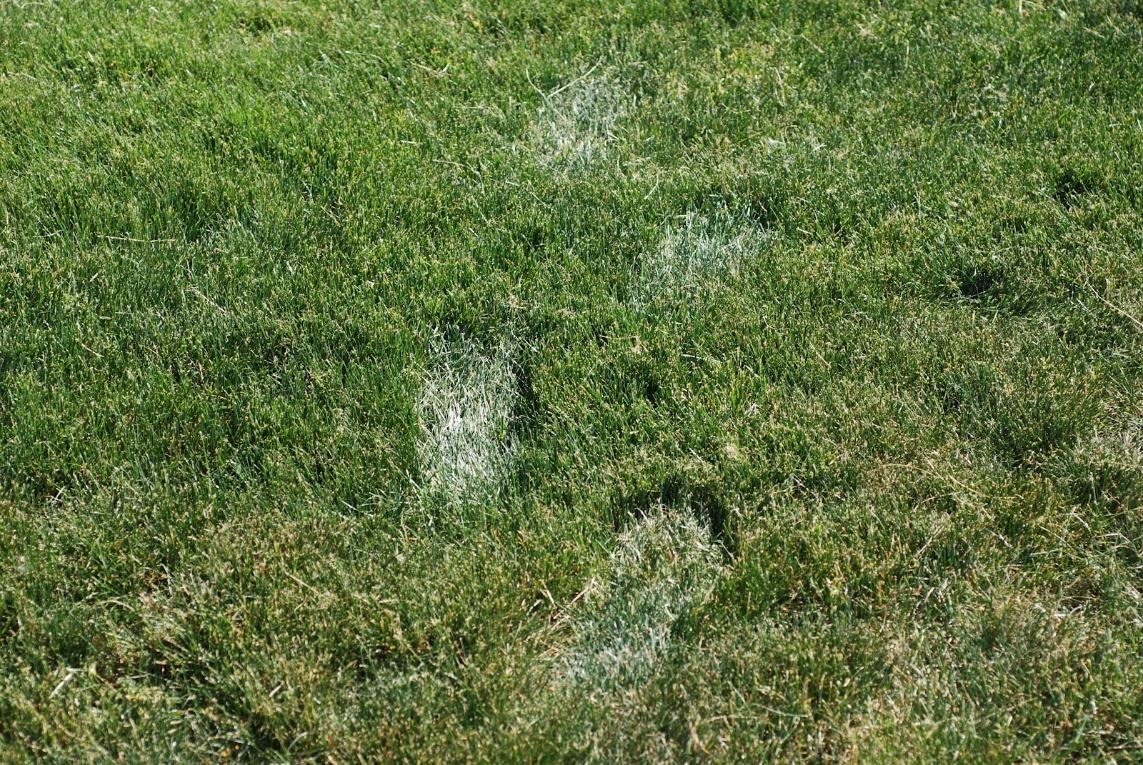
    Although Zoysia grass does not thrive under heavy traffic, healthy turf should return itself to the upright position quickly after being walked upon.

If your footprints last more than 10 seconds in the turf, this is the second sign of drought stress.

This delayed "spring back" indicates that the grass is not receiving adequate moisture, causing it to lose resilience and struggle to recover from pressure. By observing this aspect of your lawn's behavior, you can identify potential drought stress early on and take action to address it before it negatively impacts the overall health of your turf.

  1. Audible Crunching
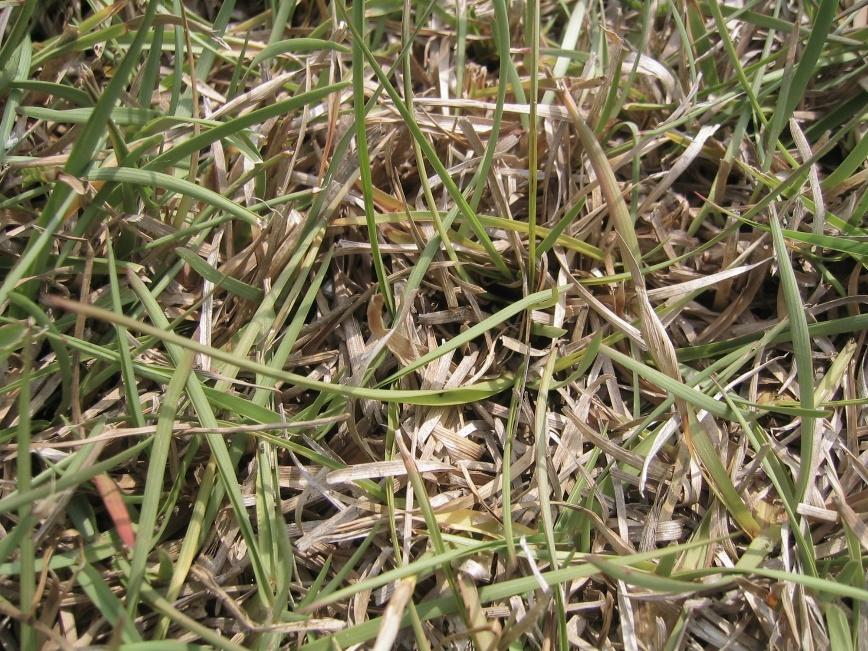
    One of the later signs in drought stress is an audible “crunch” when the turf is stepped on. Grass may still be green when this happens, so it may not be noticeable by just looking at it. Turf with ample water is softer and cushions better, but drier grass will crunch and crackle as it’s stepped on.

This audible cue is a clear indication that the grass is under significant stress due to lack of moisture, even if its green appearance might suggest otherwise. By paying attention to this auditory signals, you can detect drought stress early and take proactive measures to increase the sprinkler time so it has the water needs to thrive.

  1. Browning-out and thinning
    As drought stress persists, the consequences become increasingly severe for your turf - depending upon your turf type. The next phases involve browning-out, thinning, and ultimately, the death of your lawn.

Browning-out occurs as the grass loses its vibrant green color, signaling distress, and goes dormant. Without sufficient moisture to keep it healthy and support growth, the turf ultimately dies, leaving behind patches and eventually, bare soil. 

In the growing season, it's crucial to ensure your lawn stays well-watered. This practice promotes deeper root growth, improves it’s appeal, and reduces the likelihood of lawn-damaging pests. 

After you have noticed the drought stress, the next step is to either conduct your own sprinkler system audit or to hire a local irrigation contractor. This will ensure your coverage is thorough, filters are cleaned, pressure is correct, water use is efficient, and time settings are enough. 

Many homeowners make the simple mistake of thinking if their yard is dry, they just need to add some additional days or times to the system - without ensuring the coverage and operation is correct.

Being mindful of these warning indicators of drought stress and implementing changes are key to maintaining the health and longevity of your Zoysia or St. Augustine lawn.

Get more info here:
Vlog: Zoysia vs. St. Augustine Watering Need Differences
Vlog: The Third Basic Need of A Lawn: Water
Blog: 5 Lawn Tips in times of Drought

Our trained irrigation technicians are ready to help! Contact us now at (352) 378-5296 or (904) 913-5296 or fill out our form at the top of the page, we would love to help!

May.png