

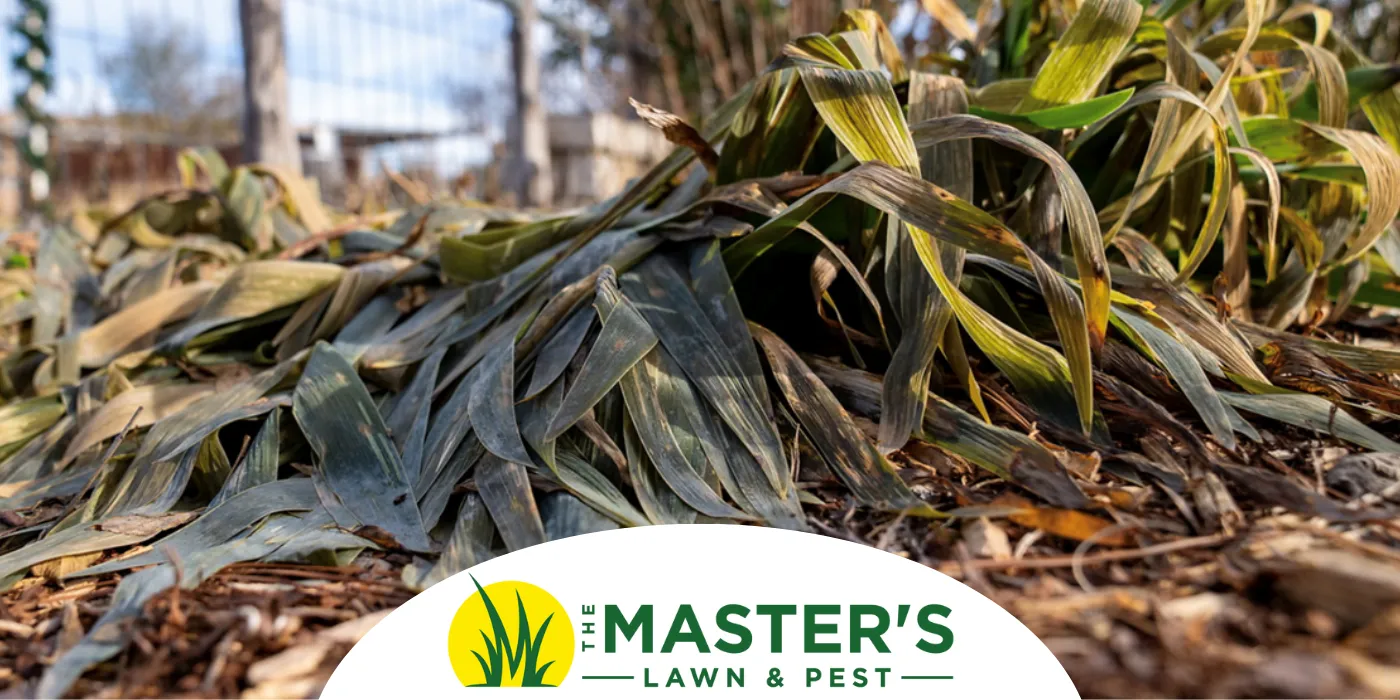
North Florida winters can be confusing on the landscape. One week it’s 72°, the next week we’re scraping windshields. If your yard has a mix of perennials + tropicals, it’s normal for things to look rough in January—especially after a frost.
Here’s the big idea we want every homeowner to remember:
Winter landscape work isn’t about making everything look perfect today. It’s about setting your lawn and landscape up for success in spring.
And the #1 way people accidentally hurt their landscape?
Pruning too early and too aggressively.
1) Frost-damaged plants: ugly doesn’t always mean dead
After a freeze, you’ll often see: brown leaves, limp growth, blackened tips, and mushy-looking foliage—especially on tender perennials. That’s the plant’s “sacrifice layer.” It looks terrible, but it’s often protecting what’s still alive beneath.
UF/IFAS specifically recommends not pruning cold-damaged plants right away, because that dead foliage can actually help insulate the plant from the next cold snap.
2) Is it dead or alive?
You don’t need a degree in horticulture to know, but just a little patience and a simple test:
- Scratch test: Lightly scrape the bark on a small stem close to the base of the plant with your fingernail.
- Green underneath = alive
- Brown/black underneath = dead tissue
- Bud test: On many shrubs, buds will stay firm if the plant is alive. If everything is brittle and hollow all the way down, that’s a red flag of concern.
- Time test (the most accurate one): Some plants take weeks to show the full extent of damage. That’s why we don’t rush decisions right after a freeze.
- Even if both of these tests say the plant could be dead, some plants die all the way back to the crown and regrow from the roots. We recommend waiting until April to replace a plant to know for sure. For example, Lantana, Blue Daze, and Plumbago are common examples of this)
3) Winter pruning: the “clean it up, don’t scalp it” approach
We get it—nobody wants their front landscape beds to look like a burnt waffle. But heavy pruning in January often creates two problems:
- You remove insulation that protects the plant if another frost hits.
- You trigger tender new growth, and the next cold night knocks it right back.
Our recommendation (and what you should expect from a good landscaper):
- Right now (January/Early February): selective cleanup—remove true hazards and obvious breakage, lightly shape where needed, and tidy what’s visibly dead without stripping the plant bare. This is what we teach our teams to do so they can clean up frost damaged plants, but not cut them too deep, too early.
- After last frost (late Feb–March): the “real pruning” begins—once we’re closer to consistent warm-up and plants start pushing new growth, we can prune with confidence and better results. This pruning tells the plant it's time to flush out.
In plain English: we’ll help your landscape look cared for in winter—but we’re protecting spring.
4) Frost cloth: when it helps and how to use it correctly
We've got some hard frosts coming this week. So, if you want to see reduced frost damage here's some tips:
If you’ve got tender tropicals, newly planted material, or sentimental plants near the house, frost cloth can be a lifesaver on the next freeze nights.
Quick rules that matter:
- Use breathable fabric (frost cloth, sheets, blankets)—avoid plastic directly on foliage.
- Make sure the cover reaches the ground and is anchored (bricks/staples/soil) to trap heat.
- Uncover in the morning once temperatures rebound (UF/IFAS guidance commonly notes removing once it warms—often around the 50–60°F range).
If you want, we can also help identify which plants on your property are “borderline” and worth protecting versus the ones that will rebound on their own.
5) Leaves: one of the most overlooked winter lawn issues
Leaf cleanup isn’t just about neatness. A thick layer of leaves can:
- Block sunlight from reaching the turf
- Hold moisture, increasing the chance of fungus and thinning
- Smother the lawn, especially in shaded areas and low spots
Our advice: keep leaves off the lawn, but don’t feel like every leaf has to go to the curb. In landscape beds, leaves can be repurposed as mulch or compost—just keep them out of drains and waterways.
A quick note on Crape Myrtle pruning (and why we wait)
A lot of people start Crape Myrtle pruning in December or January because the tree is bare and it feels productive. But UF/IFAS guidance is clear: late winter is the optimal time to prune crape myrtles.
Why we recommend late February into early March for most North Florida properties:
- You’re closer to the end of the cold risk window
- You can see structure clearly, but you’re not triggering growth too early
- You avoid “crape murder” (topping), which damages form and leads to ugly sprouts
If you want them looking their best this summer, the goal is tip pruning and selective pruning—not hacking them down.
Your January checklist for a great spring
If you enjoy DIY for your North Florida Landscape, and do nothing else this month, do these:
- ✅ Don’t rush pruning frost-damaged plants—wait for clear signs of new growth
- ✅ Do a light cleanup (broken limbs, mushy annuals, safety issues)
- ✅ Use frost cloth correctly for tender plants on freeze nights
- ✅ Get leaves off the lawn (especially shaded turf)
- ✅ Plan crape myrtle pruning for late winter, not early winter
A healthy spring starts with smart restraint in winter.
The goal right now isn’t to win a beauty contest in January—it’s to make sure your plants come out of winter with the best chance to thrive. That means doing the right work at the right time, and not doing the wrong work just to make things look “neat.”
That’s the difference between maintenance and stewardship—and it’s what we believe your landscape deserves.
We serve North Florida in Alachua, St. Johns, Flagler, and Duval Counties. Ready to love your lawn again? Call/text (352) 378-LAWN or get started at here.